19 blog posts tagged vintage computing
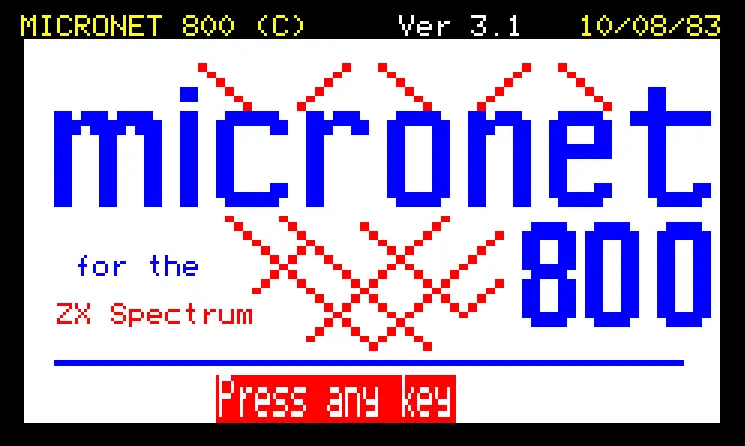
VTX5000: Part 5 - Rendering
In part 4 we followed data to and from the TI modem through the Intel 8251 USART landing in our buffers. Next up is the most interesting part—rendering those Viewdata 40×24 frames on what is typically a 32×24 display.
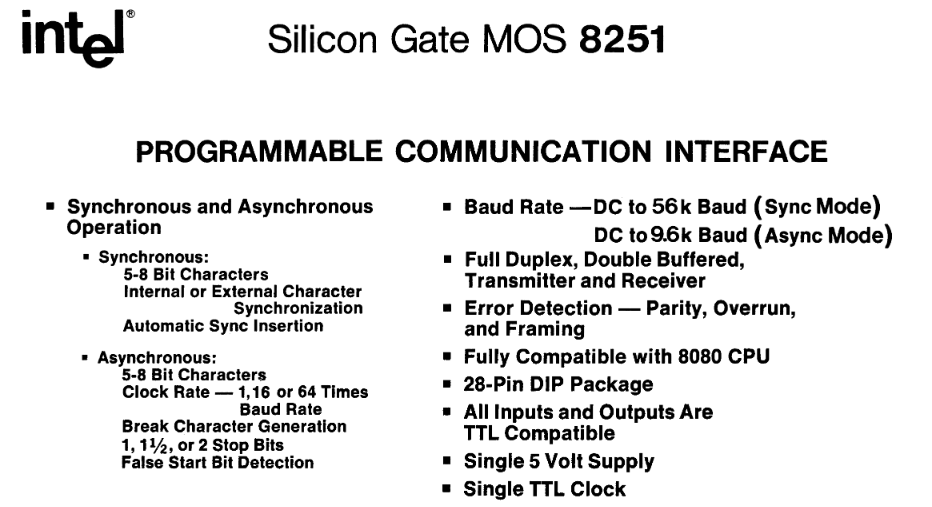
VTX5000: Part 4 - Communications
In part 3 we saw how the VTX5000's 8K ROM is structured and how the BASIC program drives the terminal.
VTX5000: Part 3 - Software ROM
In part 1 we covered the history of Prestel and Prism, and in part 2 we cracked open the VTX5000 to examine the hardware. Now how did they squeeze a viewdata terminal app into 8KB...
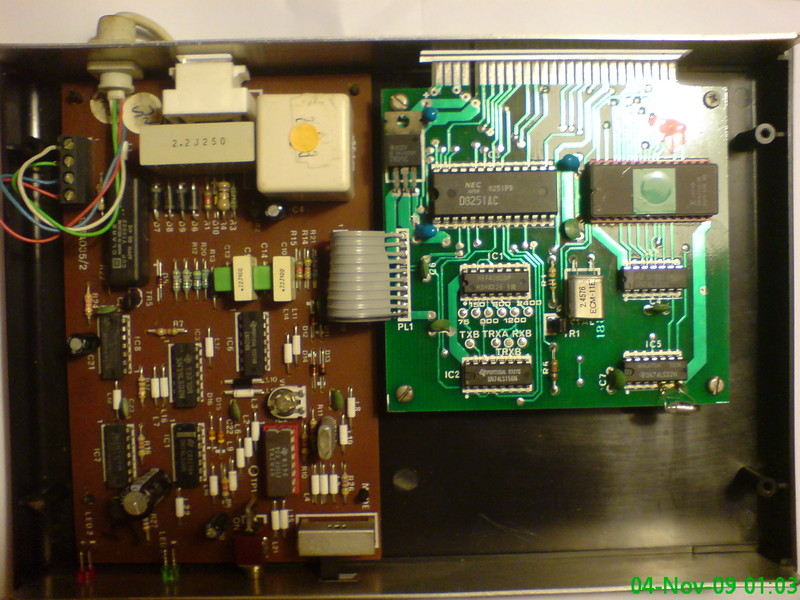
VTX5000: Part 2 - Hardware
With the design spec in hand, Prism Microproducts contracted O.E. Ltd—a UK electronics manufacturer—to implement and produce the VTX5000 as a self-contained Prestel terminal that sat beneath the rubber-keyed Speccy and plugged straight into the edge connector at the back meaning no extra hardware and no extra power supply.
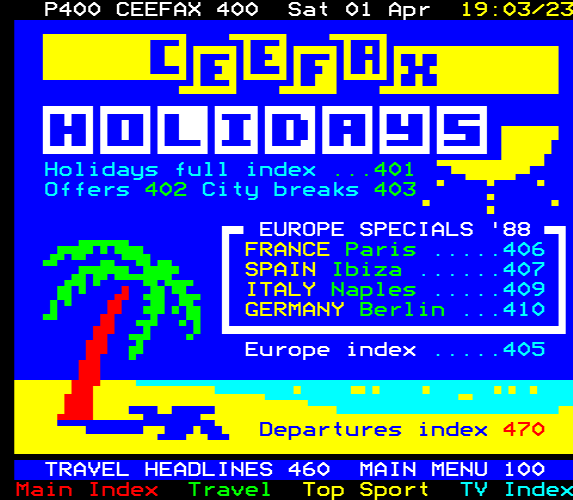
VTX5000: Part 1 - Prism, Prestel and Teletext
The Prism VTX5000 for the ZX Spectrum and the first modem I ever owned. With its bright colourful viewdata graphics and decent-download 1200/75 bps speed it ignited my life-long interest in data communications and online communities.
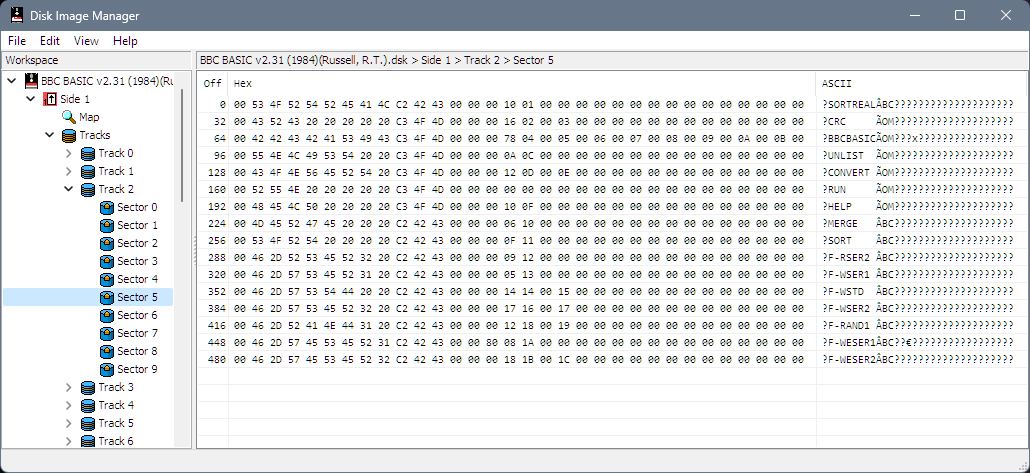
Extracting files from Tatung Einstein disk images
Kevin Edwards got hold of some 3" disks containing source code to various old commercial games and once they were imaged with a high quality process (a Kryoflux) it was time to write some tooling to get the files out of the corresponding DSK file.
A quick primer on floppy disks
I've always been fascinated by floppy disks from the crazy stories of Steve Wozniak designing the Disk II controller using a handful of logic chips and carefully-timed software to the amazing tricks to create—and break—copy protection recently popularised by 4am.
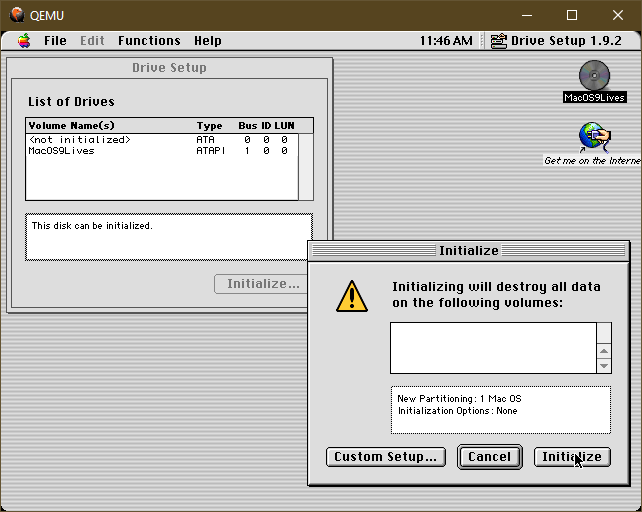
Mac OS System 9 on Windows
I'm often digging into old bitmap font and UX design out of curiosity—and someday hope to revive a lot of these fonts in more modern formats using a pipeline similar to that for ZX Origins so we can get all the usable fonts, screenshots etc. out of them.
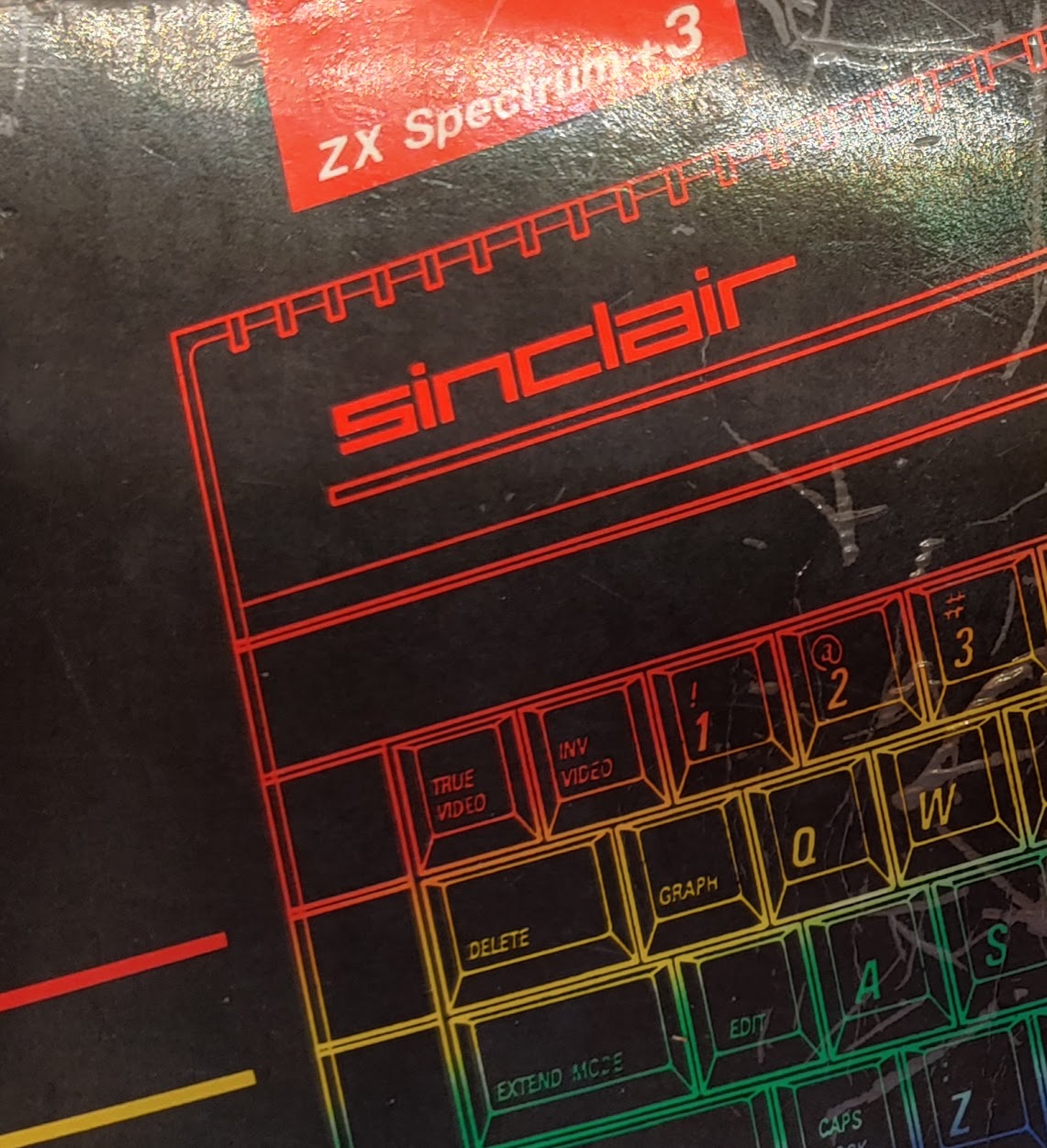
Notes from my Spectrum +3 manual
I've recently been working on a full HTML5 conversion of the Sinclair Spectrum +3 manual with full canvas-drawn screenshots and diagrams for smooth scaling/high res displays as well as some close font matching and layout as well as cross-reference links all over the place.
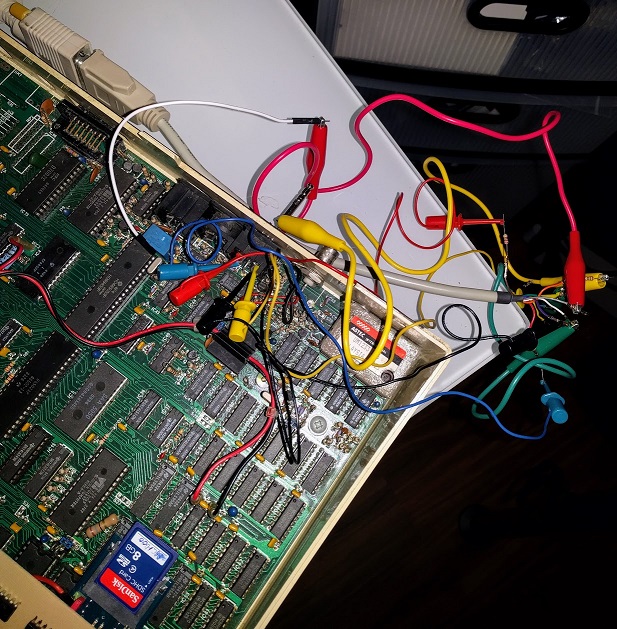
Revisiting my BBC Micro - display, speech & more
Recent upgrades to my BBC Micro including a Commodore 1942 multi-sync CRT for proper RGB, speech-chip restoration, and other modifications made since the earlier revitalising post.

Typography in bits: For a few pixels more
Examining the system fonts of the TRS-80 Color Computer, Dragon, Tatung Einstein, Commodore 128, Texas Instruments TI-99/4A, and Oric Atmos.
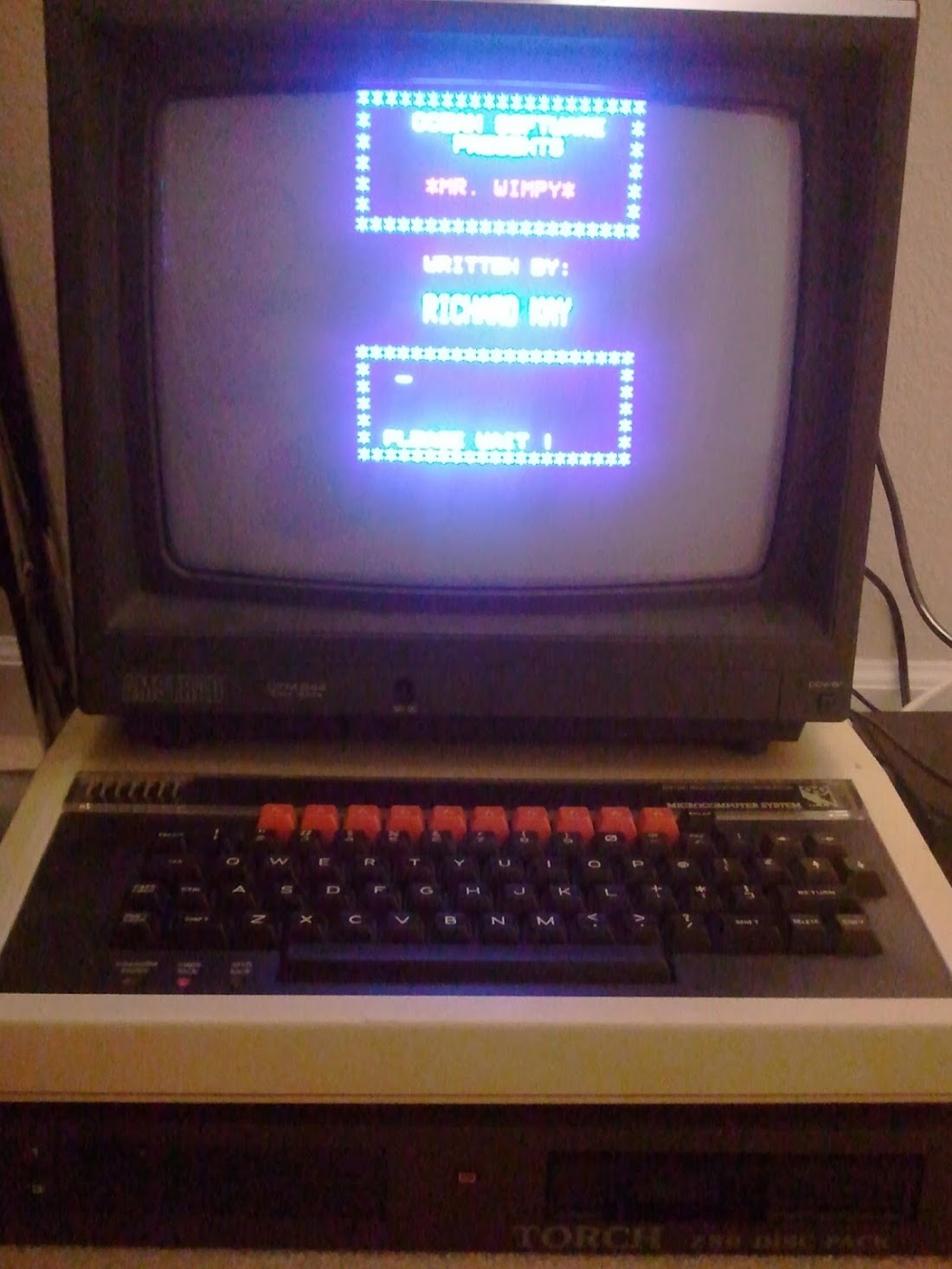
Revitalising a BBC Micro
My "Beeb" is in good condition and works well, but the case screws have long since disappeared (a common theme in my collection), and it needed a good clean. These older mechanical keyboards attract dust and dirt...

Typography in bits: Other English micros
Examining the system fonts of the Sinclair QL, Memotech MTX512, Amstrad PCW, Acorn Archimedes and SAM Coupé.

Typography in 16-bits: System fonts
A look at the system fonts of 16-bit machines including the IBM CGA & VGA Adapters, Apple Macintosh, Commodore Amiga, and Atari ST.

Typography in 8 bits: System fonts
Examining the system fonts of the Commodore PET, Apple ][, Atari 400/800, Acorn BBC Micro, Sinclair ZX Spectrum, Commodore 64, Amstrad CPC, and MSX.
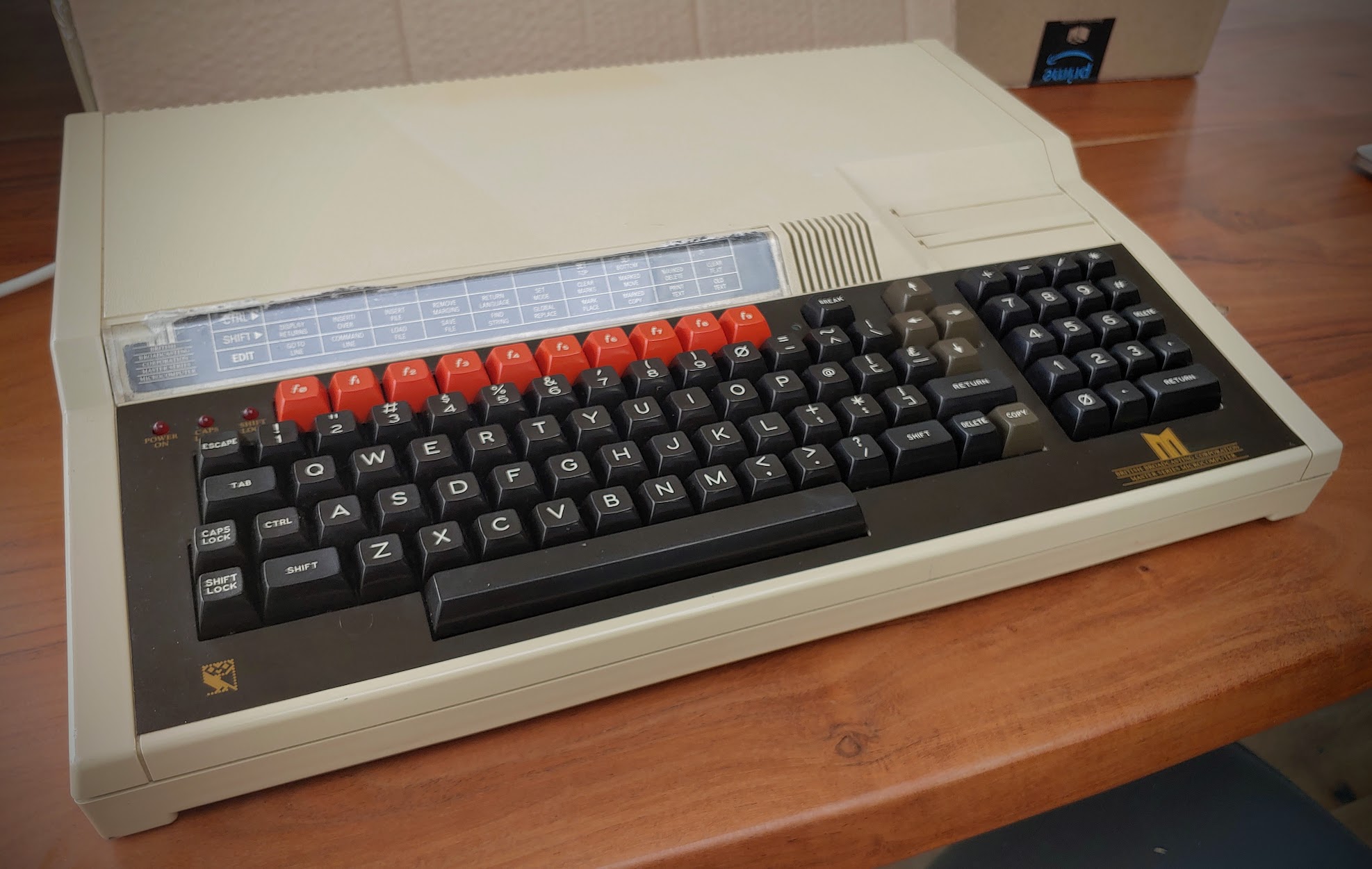
Origins of a love affair
From an earliest memory of a cream coloured box emblazoned with letters, mostly black, some red, came an owl proclaiming allegiance to the BBC.
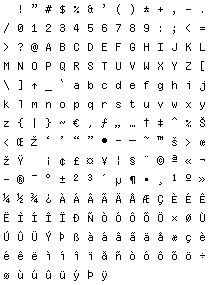
The Xerox Alto mono-spaced font rises again
Computing history tells us of a mythical place where many of the innovations we take for granted today were either invented or refined to a working level at a single location known as the Xerox’s Palo-Alto Research Center (PARC).

How did I get started in software development?
Ken Egozi tagged me with the latest meme and this time it’s at least relevant.
Adding depth to my programming ability
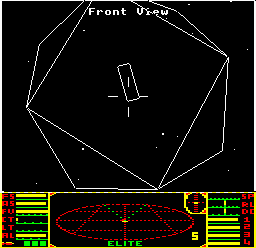
A personal essay on finally tackling 3D programming through Microsoft's XNA Framework after decades of curiosity sparked by staring at Acornsoft's Elite on the BBC Micro as a child.